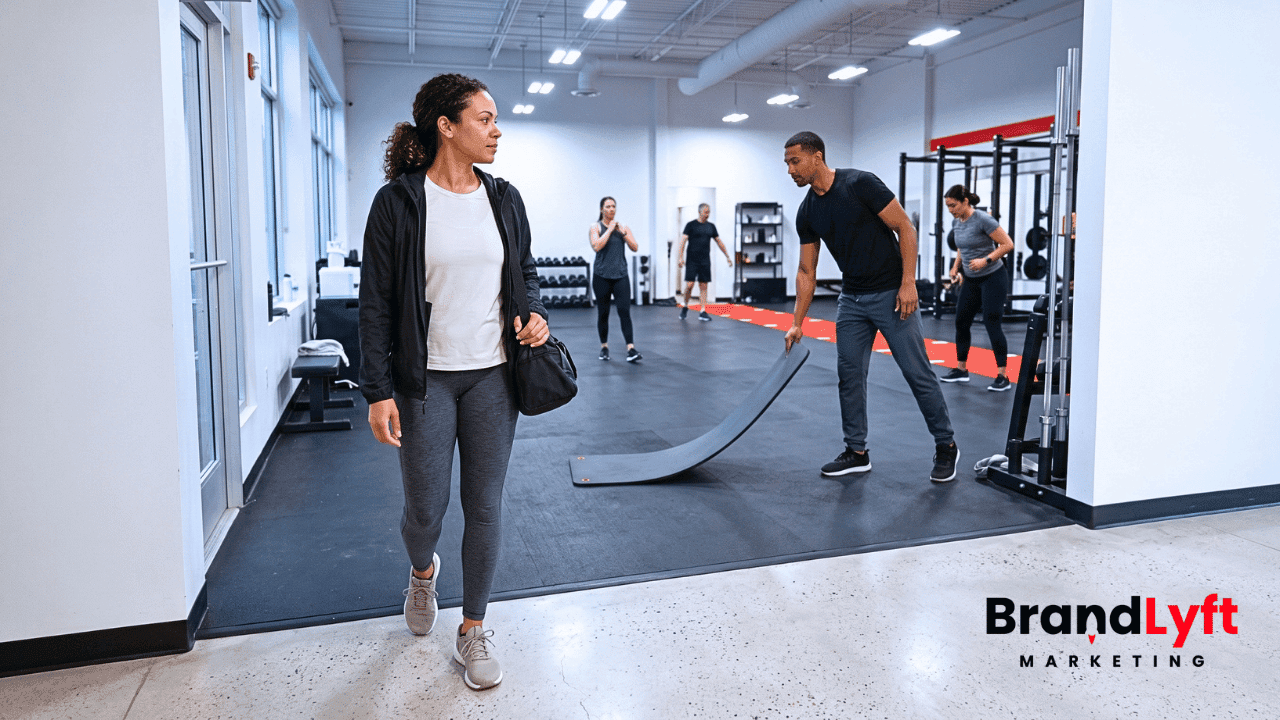
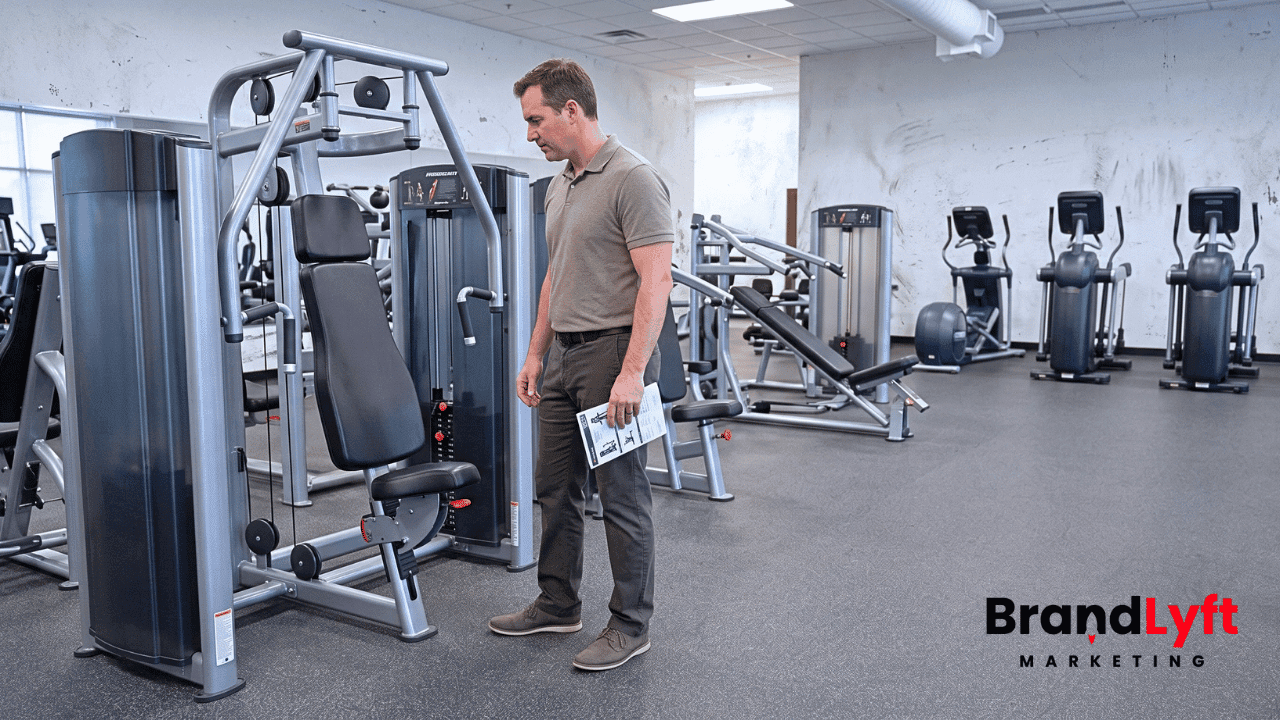
An exercise equipment SEO agency should do more than push a fitness brand up a rankings report.
The real job is helping the right buyer find the right equipment page and understand what fits their need. From there, the site should move them into a quote, dealer conversation, showroom visit, or purchase without losing them in the catalog.
That sounds obvious. It is also where a lot of fitness-equipment sites get stuck. A manufacturer may have strong products but weak category pages. Dealers can rank for the brand name while missing local product searches. Commercial suppliers may attract home-fitness traffic that never turns into a qualified enquiry. Ecommerce sellers can have hundreds of products whose names and specifications do not line up cleanly with the searches buyers use.
SEO has to connect those pieces. Product architecture, search intent, product data, local visibility, internal links, technical health, and the sales path all matter. Together they decide whether organic search produces a buyer instead of another visit.
Fitness equipment buyers do not all search the same way
The first useful SEO decision is separating the buyer types the site actually serves.
A commercial gym owner may search for a full strength line, cardio package, flooring, delivery, installation, or equipment planning. Hotel and apartment operators may care about space, durability, warranty, and the mix of equipment that fits a smaller facility. Local buyers may want a showroom or dealer. Home users may compare a specific treadmill, rack, bench, bike, or rower by size, price, features, and shipping.
Those searches should not all land on the same generic page.
| Buyer or business model | Typical search need | Page that should carry the job |
|---|---|---|
| Manufacturer or national brand | Product line, model, category, use case, specifications | Category, product, comparison, or use-case page |
| Commercial gym supplier | Facility package, commercial equipment, installation, quote | Commercial category, facility solution, or quote page |
| Dealer or showroom | Local availability, showroom, delivery, service | Dealer, location, showroom, or local inventory page |
| Direct-to-consumer seller | Specific product, feature comparison, price, shipping | Product, category, comparison, or checkout path |
The structure should reflect the sale. Commercial equipment buyers and home buyers often need different information before they act. Sending both to the same generic page usually leaves each person with extra work.
What an Exercise Equipment SEO Agency Should Review First
Blog content can support fitness-equipment SEO. It should not become the whole program.
The pages closest to revenue are often categories, individual products, commercial-use pages, dealer pages, and specific facility pages. Those are the pages an exercise equipment SEO company should review before proposing another long list of articles.
A category page needs to help a buyer narrow the catalog. Commercial treadmill pages, for example, should make the category easier to understand. A product grid alone can leave the buyer opening twenty tabs. Useful detail might cover intended setting, footprint, drive type, user capacity, power needs, service expectations, or warranty differences. The point is to show what separates one product family from another.
Individual product pages take over from there. The buyer should see what the product is, who it fits, and how it differs from nearby models. The same page should make the important specifications and next buying step easy to find.
Google’s current merchant listing documentation explains how Product and Offer markup can make eligible product pages available for richer product experiences in Search. Markup helps search systems understand the offer. It does not replace the visible information a buyer needs on the page.
Product names and specifications have to match how buyers compare equipment
Fitness equipment catalogs create an SEO problem when the site knows the products by internal model numbers but buyers search by product type, use case, feature, or facility need.
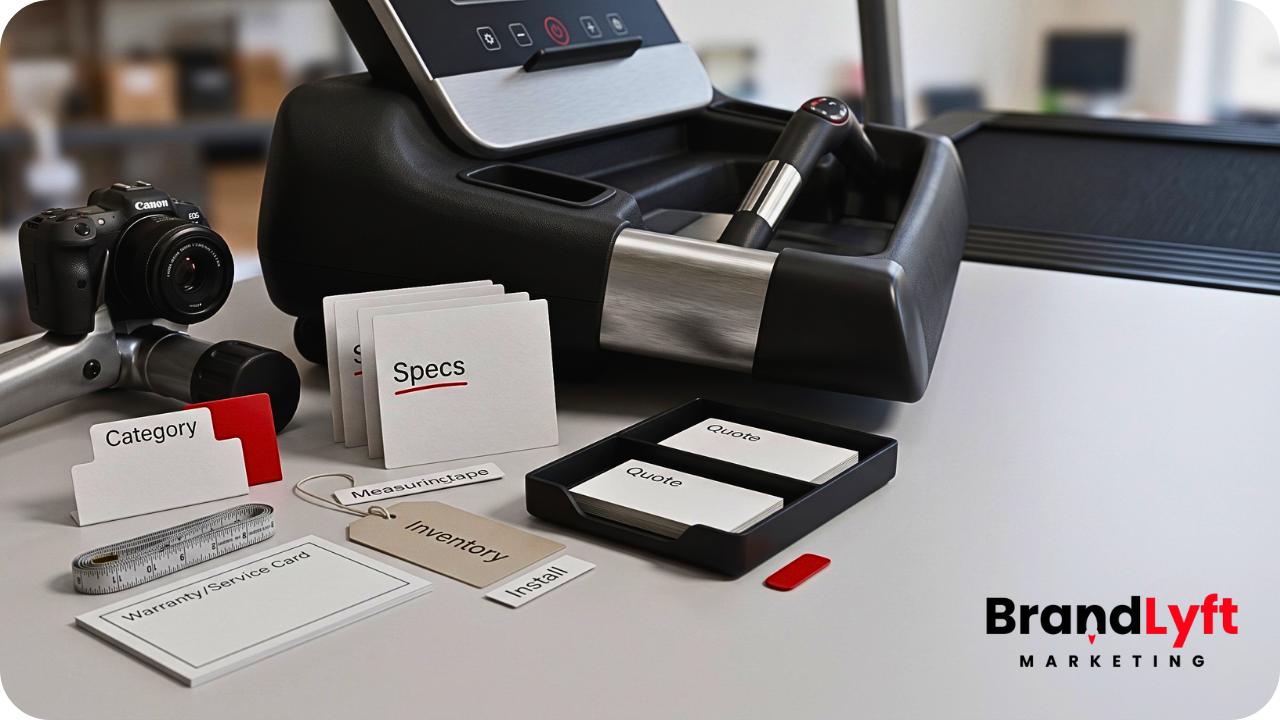
A clear product name can carry the brand and model while still telling the buyer what the item actually is. The page then has room to explain the specifications that separate it from the next option. Dimensions, weight capacity, footprint, resistance or drive system, power requirements, console features, material, attachments, warranty, commercial rating, and installation needs may matter depending on the equipment.
The same discipline should reach the product data feed when the seller uses Google Merchant Center. Google’s current product data specification says product information helps match products to queries. Inaccurate or conflicting data can limit or distort how products appear.
That means the product page, feed, title, availability, identifiers, and category structure should describe the same item. SEO gets harder when the website calls something one thing, the feed calls it another, and the buyer searches for a third.
Commercial and consumer equipment searches need different landing paths
A person buying one adjustable bench does not evaluate a site the same way as somebody planning a 12,000-square-foot training facility.
Commercial buyers often need more context before a quote. They may care about volume, installation, floor planning, warranty, service coverage, financing, or delivery windows. Brand mix and expected use may matter too. A page built only around price and an Add to Cart button may not answer that sale.
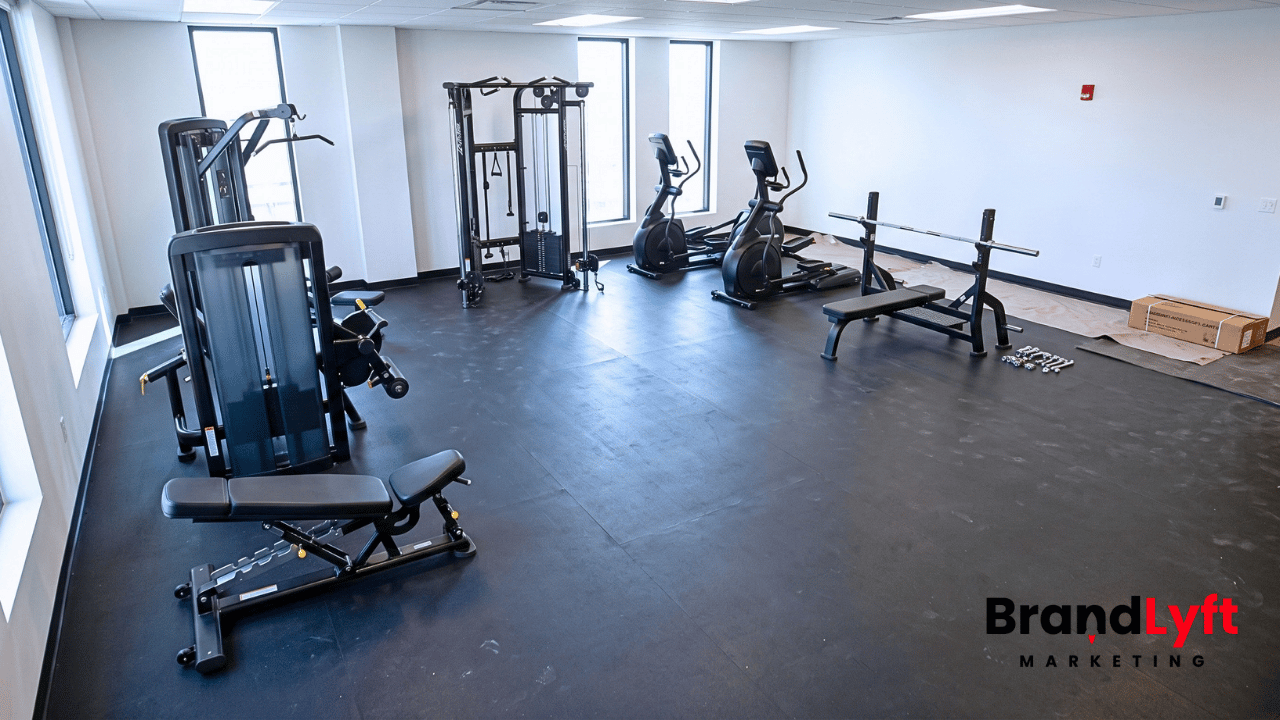
Consumer searches can be much more product-specific. The shopper may want exact dimensions, shipping cost, assembly detail, compatibility, returns, and a direct checkout path.
The SEO architecture should separate those jobs when the business serves both. A commercial landing page should not compete with the home-use category for the same broad phrase if each page can own a clearer intent. Internal links can then move the visitor between them when the distinction is useful.
This is also why keyword research alone is not enough. The page has to match the purchase decision behind the keyword.
Dealer and local visibility need a real local buying path
Local SEO matters when buyers can actually visit, purchase, arrange installation, or get service through a local dealer or showroom.
A thin dealer page with a city name and phone number gives the buyer very little reason to stay. A useful local page should explain what the location supports and which products or brands are available. It can also clarify showroom access, delivery or installation, and the buyer’s next step.
Google’s LocalBusiness structured data documentation supports describing business details such as location, hours, and departments. For sellers with store-level stock, Merchant Center also supports local inventory data that tells Google which stores carry particular products.
Those tools only make sense when the real business model supports them. An online-only manufacturer does not need a pile of fake local pages. A dealer network with showrooms and local inventory has a different opportunity.
Category architecture and internal links should make the catalog easier to understand
Large equipment catalogs can create several pages that look like they should rank for the same thing.
A broad strength category, a commercial strength page, a rack category, a specific rack model, and a buying guide can all belong on the same site. They should not all make the same promise.
The category should own the broad choice. Subcategories narrow the equipment type. Product pages own the individual item. Use-case pages can speak to a hotel, school, apartment gym, physical therapy clinic, boutique studio, or commercial facility when the business really serves that market. Guides can answer questions that come before the buyer is ready for a quote.
Internal links should support that movement. A category can point into important subcategories and products. Product pages can link back to the category, related equipment, accessories, comparison help, and the commercial quote path. A facility page can direct a buyer into the product families that fit that environment.
That is better than creating another SEO page every time a keyword variation appears.
It’s where an exercise equipment SEO agency should decide which page owns the search and which pages support it.
Technical and on-page SEO still decide whether strong product pages can be found
Good product information does not help much if search engines struggle to crawl, index, or distinguish the pages.
Exercise equipment sites should review indexability, duplicate URLs, canonicals, faceted pages, redirects, and broken internal links. Mobile behavior, page speed, titles, headings, product images, and template output belong in the same technical pass.
Catalog sites deserve extra attention because filters and variants can create many URLs without creating many useful search pages. The right fix depends on the platform and catalog. The important part is deciding which URLs deserve to be indexed and which exist only to help shoppers browse.
On-page SEO should then make the page’s job obvious. The title, H1, body copy, specifications, image context, metadata, and internal links should reinforce the same product or category. They should not pull the page toward five unrelated keyword themes.
BrandLyft’s E-commerce Development work becomes relevant when the problem sits inside the store itself. Catalog structure, product templates, site speed, feeds, and inventory can all affect search performance.
The quote or enquiry path has to match the equipment sale
Rankings can improve while qualified buyers still leave.
A commercial equipment supplier may need more than a generic Contact Us form. The sales team may need facility type, location, equipment categories, project size, and timeline. Delivery or installation needs can help route the enquiry correctly. A local showroom buyer may need an appointment or call. A direct-to-consumer visitor may need a clean checkout.
The CTA should fit the page. A commercial package page can offer a quote or planning conversation. Dealer pages can offer directions, availability, or local contact. Product pages can offer checkout, a quote, or dealer help depending on how that equipment is sold.
BrandLyft’s Web Design service connects to this part of the job because search traffic still has to move through a usable page and a clear conversion path.
Need the organic buyer path reviewed?
BrandLyft can review the category structure, product pages, local visibility, search intent, and enquiry path that sit between an organic search and a real buyer conversation.
How an Exercise Equipment SEO Agency Should Track Buyer Enquiries
An SEO report can show more rankings, impressions, clicks, and organic sessions while the sales team feels no difference.
That gap needs measurement, not another ranking screenshot.
For an ecommerce seller, the useful outcome may be product revenue, purchases, assisted conversions, or margin by organic landing page. For a commercial supplier, it may be qualified quote requests, showroom appointments, phone calls, dealer enquiries, or opportunities created from organic search.
The tracking setup should preserve the landing page and source into the sales process. It should answer one practical question: which organic pages create business the team wants more of?
That matters because two pages with similar traffic can have very different value. A broad informational guide may attract thousands of visits. A commercial category page may attract fewer people and create more qualified conversations. SEO decisions should know the difference.
What exercise equipment SEO services should actually cover
The labels vary across the search results — agency, company, services, experts. The buyer question underneath them is the same: can this provider work on the parts of the site that decide whether equipment gets found and sold?
An exercise equipment SEO service should be able to review keyword and page ownership, category architecture, product detail, and technical issues. Product data, internal links, dealer visibility, and the conversion path after the click belong in the same review when they apply.
That does not mean one agency has to rebuild the entire ecommerce stack to improve SEO. It does mean the recommendations should reflect how the catalog and sales process actually work.
Ask what happens before signing a retainer. Which pages would they prioritize first? How do they separate commercial from consumer intent? What would they do with thin categories and overlapping products? Will they inspect Merchant Center or structured product data when the business uses them? How will they connect organic traffic to quote requests, calls, showroom visits, or sales?
Those answers reveal more than a generic list of deliverables.
BrandLyft’s SEO role starts with the buyer path, not a blog quota
BrandLyft’s SEO Services are the primary service path for this article.
For a fitness equipment brand, dealer, manufacturer, or supplier, the starting point should be the pages buyers already need. That usually means categories, products, commercial-use pages, dealer pages, and the paths that turn interest into an enquiry or purchase.
Content can support those pages. Technical work can remove barriers. Product data can make the catalog clearer to search systems. Local SEO can help showrooms and dealers where local intent exists. None of those pieces should be treated as the whole program by itself.
Those labels do not describe four different SEO problems. A buyer searching for an exercise equipment SEO company, exercise equipment SEO services, or exercise equipment SEO experts is still trying to judge the same core service fit.
Choose an exercise equipment SEO agency that can connect discovery to demand
An exercise equipment SEO agency earns its place when it can help the right buyer discover the right equipment and make the next step easier.
For some brands, the biggest problem will be category architecture. For others, it will be thin product pages, unclear commercial positioning, weak dealer visibility, messy product data, or a quote path that asks too little and tells sales too little.
The useful SEO work starts by finding which of those problems is blocking demand now.
If BrandLyft looks like a fit, start with SEO Services. If the site already needs a direct review, book a discovery call. Bring the product categories, priority markets, and sales path you want organic search to support.